
Agentic AI Revolutionizes Scientific Software

Alps Wang
Jul 29, 2026 · 1 views
Agentic AI: A New Era for Science
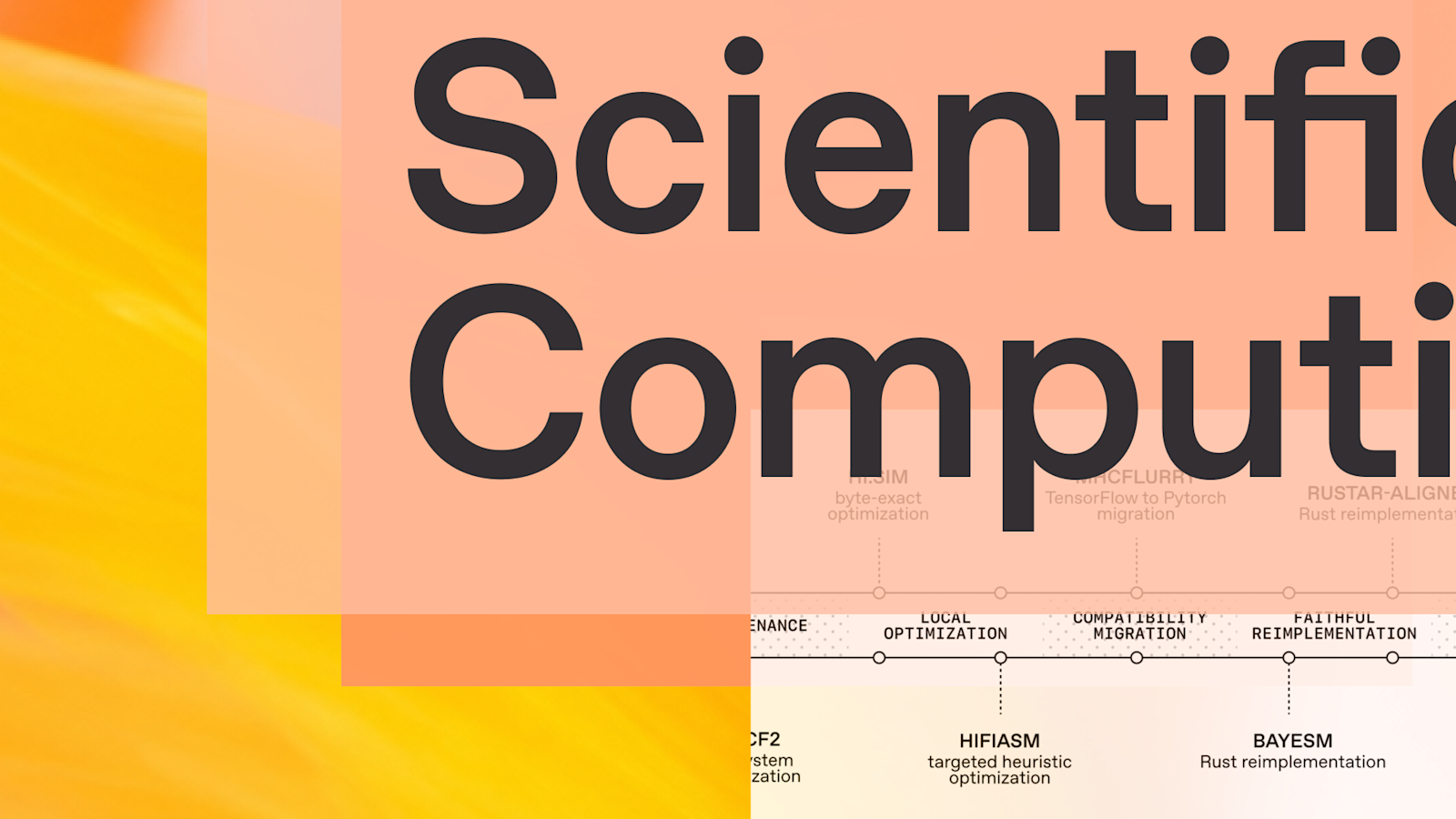
OpenAI's field report on agentic AI in scientific computing offers a compelling glimpse into the future of research software development. The core insight is the dramatic acceleration of engineering tasks – from modernization and optimization to large-scale migrations – by leveraging AI coding agents. This effectively lowers the barrier to entry for complex software projects, allowing smaller teams to achieve more and freeing researchers to focus on scientific discovery rather than implementation details. The shift in researcher roles towards verification and orchestration, rather than pure coding, is a fundamental paradigm change. The report highlights successful case studies, such as the modernization of the cyvcf2 library, demonstrating tangible benefits in efficiency and maintainability. The emphasis on iterative development and feedback loops for agent work is also a crucial practical takeaway for effective implementation.
However, the report doesn't shy away from limitations, most notably the persistent challenge of establishing long-term stewardship and attribution for AI-generated or AI-assisted code. While agents can accelerate creation, they cannot inherently guarantee scientific validity or long-term reliability without human oversight. The need for robust validation mechanisms, using external references or measurable targets, remains paramount. Furthermore, the risk of code fragmentation and the potential for 'abandoned code' if maintenance plans aren't clearly defined are significant concerns. The report implicitly suggests that while AI agents democratize implementation, they amplify the need for human expertise in scientific direction, validation, and ongoing maintenance, underscoring that AI is a powerful tool, not a replacement for human scientific judgment and responsibility. The implications for database design and scientific computing infrastructure are profound, suggesting a future where more sophisticated, maintainable, and adaptable tools can be developed at an unprecedented pace, but this requires careful management of the resulting software ecosystem.
Key Points
- AI coding agents are significantly accelerating scientific software development and maintenance.
- Researchers are shifting from implementation to verification and orchestration roles.
- Agents excel at specific, well-scoped tasks but require human judgment for scientific validity.
- Iterative development with feedback loops is crucial for effective agent-assisted projects.
- Long-term stewardship and clear ownership are essential to prevent code fragmentation and ensure reliability.
- The cost of engineering labor is reduced, but validation and maintenance remain human-centric challenges.
Related Articles
Comments (0)
No comments yet. Be the first to comment!