
Tech Debt: Prioritizing What Truly Matters

Alps Wang
Mar 18, 2026 · 1 views
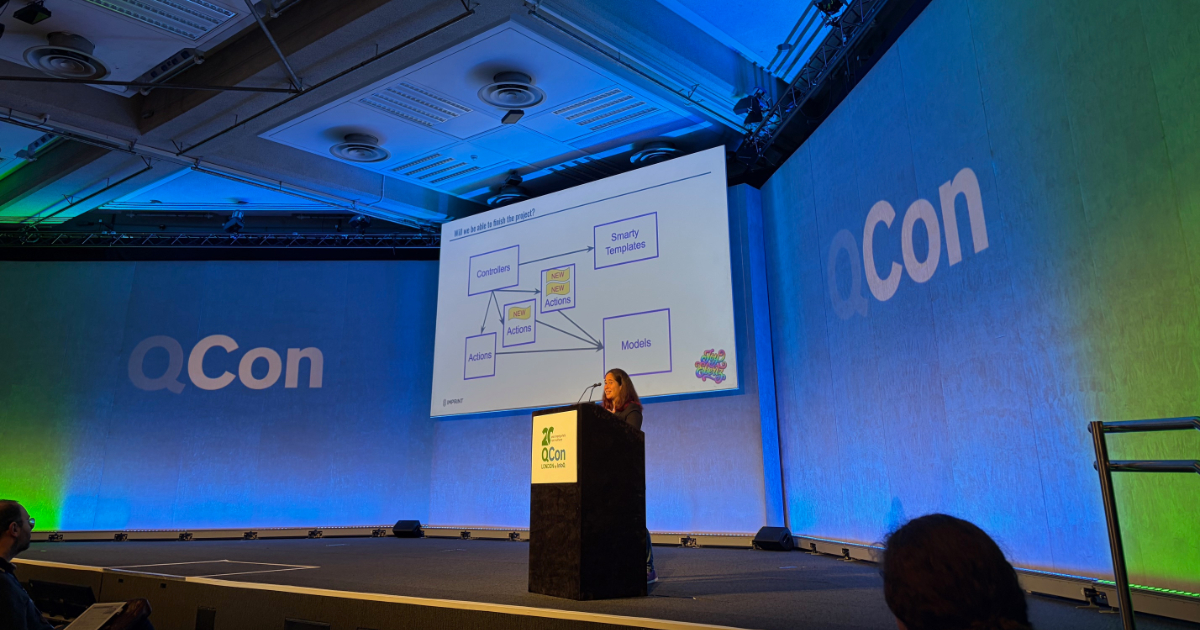
Beyond Perfection: A Pragmatic Debt Framework
Joy Ebertz's presentation at QCon London offers a much-needed pragmatic approach to technical debt, moving beyond the often paralyzing pursuit of a 'perfect' codebase. The six-question framework is a valuable tool for engineering teams, providing a structured way to evaluate and prioritize debt. The emphasis on cost-benefit analysis, considering both the cost of inaction and the cost of fixing, is particularly insightful. The distinction between 'ticking time bombs' and uncertain security vulnerabilities highlights a nuanced understanding of risk. Furthermore, acknowledging that an '80% solution' can sometimes be more effective than a lengthy, 'perfect' fix addresses the reality of resource constraints and the need for speed in development.
However, while the framework is excellent, its successful implementation hinges on strong communication and alignment between engineering and business stakeholders. Translating technical debt into financial terms, as suggested, is crucial but can be challenging. The article touches upon this by mentioning security patch examples, but more detailed guidance on quantifying the 'cost of inaction' for various types of debt would be beneficial. The role of AI is acknowledged as a double-edged sword – accelerating code production but potentially increasing 'slop.' The framework's ability to help teams discern which AI-generated debt truly matters is key, but the article could delve deeper into how AI itself might be leveraged to identify and quantify certain types of technical debt, thereby enhancing the framework's application.
Key Points
- Technical debt does not need to be eliminated entirely; the focus should be on prioritizing what truly matters.
- A six-question framework helps evaluate and prioritize technical debt by considering the cost of inaction, the cost of fixing, necessity of a 'right' fix, timing, completion likelihood, and actual outcome improvement.
- "Ticking time bombs" are a critical category of debt, distinguished from scale problems and security vulnerabilities.
- An "80% solution" can often be more practical and cost-effective than a full, "perfect" fix.
- Translating technical debt into financial terms is crucial for building business cases, using expected cost calculations for justification.
- AI accelerates code production, leading to more 'slop,' but the key is to determine if this debt actually matters based on its impact and fixability.
📖 Source: QCon London 2026: All Tech Debt is Not Created Equal
Related Articles
Comments (0)
No comments yet. Be the first to comment!