
OpenAI's Ultrafast AI Slashes Incident Response Time

Alps Wang
Oct 27, 2026 · 1 views
AI as an Incident Response Accelerator
The article effectively showcases the dramatic reduction in incident investigation time at OpenAI, attributing it to the 'Ultrafast' mode of their Codex model. The key insight is how this speed enhancement transforms reactive tasks into proactive, focused workflows. Engineers can now investigate multiple potential causes concurrently, maintain cognitive flow, and delegate even routine, time-consuming browser-based tasks. This isn't just about speed; it's about fundamentally altering the engineer's ability to tackle complex problems and manage technical debt more effectively. The anecdotal evidence from various team members strongly supports the claim that Ultrafast has become an indispensable tool for their daily operations, moving beyond a mere assistant to a true collaborator.
However, the article, while enthusiastic, lacks deeper technical specifics about 'Ultrafast' itself. It's described as a 'high-speed mode in Codex,' but the underlying mechanisms, architectural changes, or specific optimizations that enable this speed are not elaborated upon. This leaves a gap for readers seeking to understand the 'how' behind the 'what.' Furthermore, while the benefits for incident response and refactoring are clear, the broader implications for other domains or potential scaling challenges of this 'Ultrafast' mode remain unexplored. The article also doesn't touch upon any potential trade-offs, such as increased computational cost for this speed, or whether certain types of queries might still be slow. The focus is squarely on the positive outcomes, which, while compelling, could benefit from a more balanced perspective on the technology's development and deployment.
Key Points
- OpenAI's Codex model now features an 'Ultrafast' mode, significantly reducing incident investigation times from hours to minutes.
- This speed enhancement allows engineers to investigate multiple potential causes simultaneously, improving focus and reducing cognitive load.
- Ultrafast is being used for various tasks, including log analysis, Slack message searching, security investigations, and even large code refactors.
- The speed improvement makes engineers more willing to tackle technical debt and delegate routine tasks, boosting overall productivity.
- The technology enables real-time, back-and-forth interactions with AI, akin to working with a human collaborator.
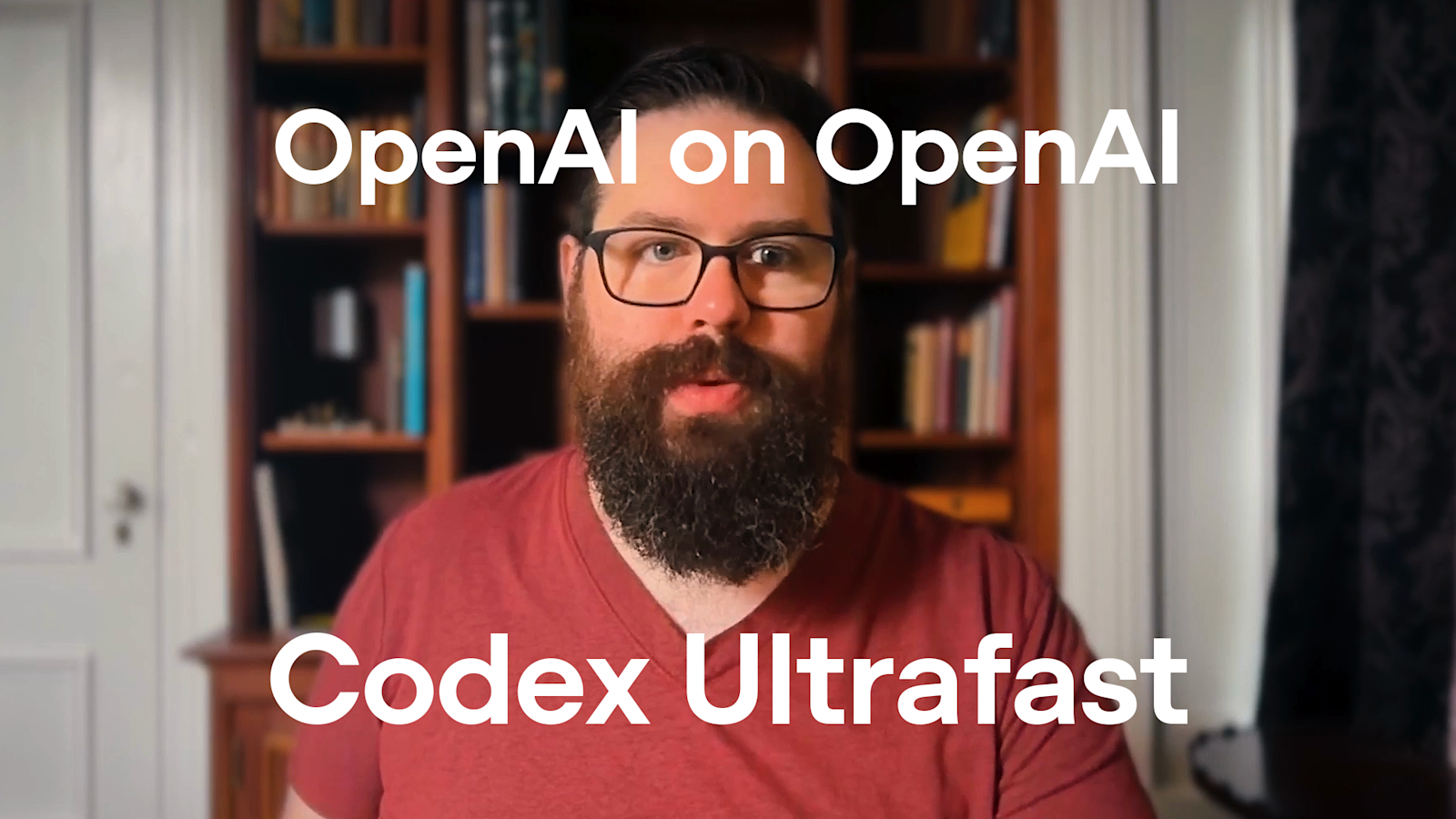
📖 Source: How Ultrafast cut incident investigation from hours to minutes at OpenAI
Related Articles
Comments (0)
No comments yet. Be the first to comment!