
Lyft's AI Maps Unlock Gated Community Ride-Hailing

Alps Wang
Jun 12, 2026 · 1 views
Navigating the Last Mile's Physical Barriers
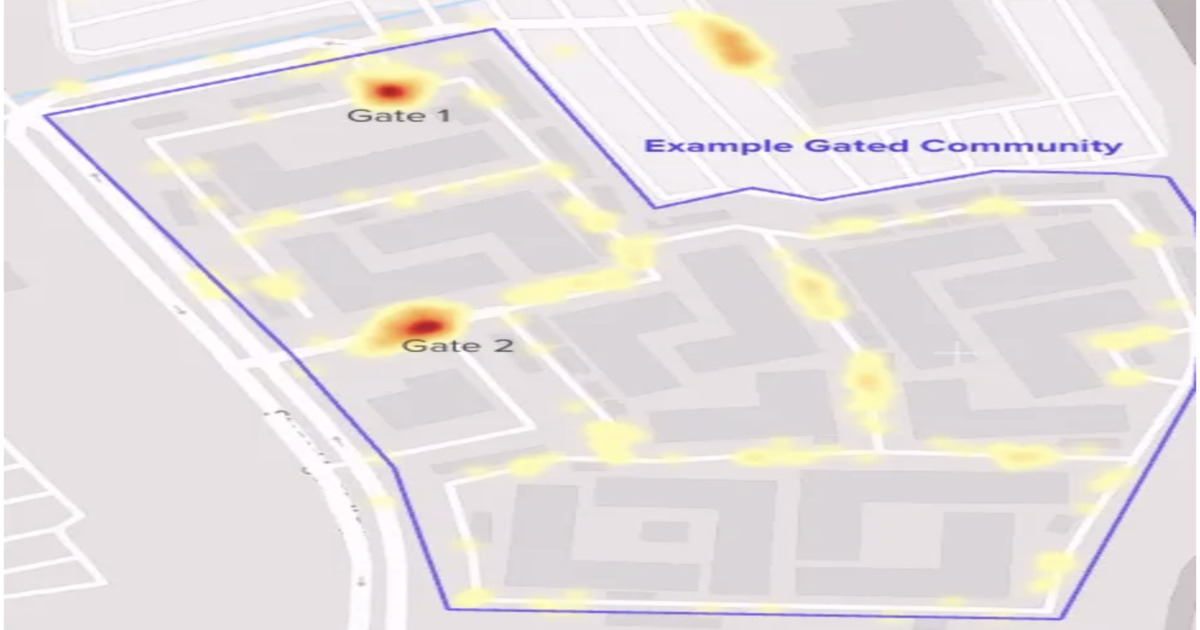
Lyft's approach to solving the gated community pickup problem is a prime example of how sophisticated geospatial intelligence and AI can tackle seemingly mundane but highly impactful user experience issues. The system's multi-pronged attack—detection, rider option enhancement, intelligent routing, and proactive rider input—demonstrates a mature understanding of the complex interplay between digital navigation and real-world physical constraints. The reliance on OpenStreetMap data, augmented by proprietary signals like driver feedback and historical patterns, is a smart strategy that leverages open data while building a competitive advantage. This isn't just about finding an entrance; it's about creating a seamless, reliable experience that reduces friction for both riders and drivers, ultimately leading to increased efficiency and customer satisfaction. The architectural pattern highlighted—encoding real-world constraints into the map, surfacing them, incorporating them into routing, and delivering context-aware guidance—is a valuable blueprint for any platform dealing with complex spatial interactions.
However, a key limitation or concern might lie in the scalability and maintenance of the proprietary signals. As driver behavior evolves and new gated communities emerge, the system will require continuous updates and robust feedback loops to maintain its accuracy. The 'invisible by design' nature of good mapping work means that users will likely take this improved experience for granted, making it harder to quantify the direct ROI beyond reduced cancellations and improved ETAs. Furthermore, while the article mentions driver feedback, the specifics of how this feedback is ingested, validated, and used to update the map data are crucial for system integrity and could be a point of failure if not managed meticulously. The potential for bias in driver feedback or the misinterpretation of signals could lead to routing inaccuracies, especially in diverse urban or suburban environments. The ongoing challenge will be to ensure this system remains adaptive and resilient to the dynamic nature of urban infrastructure and user needs.
Key Points
- Lyft developed an AI-powered mapping system to address pickup friction in gated communities.
- The system detects gated communities, improves rider pickup options, enhances routing logic for valid entrances, and allows riders to share access details.
- It leverages OpenStreetMap data combined with proprietary signals like driver feedback and historical patterns.
- This solution reduces wait times, cancellations, and manual coordination for both riders and drivers.
- The architectural pattern involves encoding real-world constraints into maps, surfacing them for selection, integrating them into routing, and providing context-aware guidance.
- This highlights the significant investment required in mapping infrastructure, geospatial data modeling, and feedback-driven design to solve complex user experience challenges.
📖 Source: Lyft Uses Mapping Intelligence to Reduce Friction in Gated Community Pickups
Related Articles
Comments (0)
No comments yet. Be the first to comment!