
LinkedIn's AI Talent Systems: Unified Data Pipelines

Alps Wang
May 7, 2026 · 1 views
Unified Data for Smarter Hiring
LinkedIn's initiative to consolidate hiring data pipelines is a pragmatic and necessary evolution for any large-scale platform dealing with complex, disparate data sources. The emphasis on standardization, reconciliation, and enhancement layers is a sound architectural approach, providing a scalable and reliable foundation for downstream AI applications. The reported 72% reduction in partner onboarding time is a testament to the platform's success in abstracting complexity and creating a reusable integration layer. This directly addresses the perennial challenge of data quality and consistency, which is paramount for effective AI. The 'coexistence, not replacement' philosophy is also a smart strategy for gradual adoption and minimizing disruption.
From a technical standpoint, the mention of Temporal-orchestrated workflows, Kafka streams, and Espresso for record persistence indicates a robust, modern data infrastructure. This suggests a system designed for high throughput, low latency, and reliable data processing, all critical for real-time AI insights. The ability to enable replayable, bidirectional sync and safe evolution of schemas is a significant engineering feat. However, a potential concern could be the ongoing maintenance and evolution of the unified data model itself. As new data sources emerge or existing ones change, maintaining schema consistency and handling edge cases will require continuous effort and strong governance. Furthermore, while the platform enables AI, the article only briefly touches upon the AI applications themselves, focusing more on the data infrastructure. A deeper dive into the specific AI models and how they leverage this unified data would have provided even greater insight into the true impact.
Key Points
- LinkedIn has unified its hiring data pipelines into a single platform to improve data quality and enable AI-driven talent systems.
- The platform standardizes, reconciles, and delivers hiring data from disparate sources like Applicant Tracking Systems (ATS), career sites, and job boards.
- Key architectural layers include standardization, orchestration, and enhancement to normalize, manage, and enrich data.
- This consolidation has led to a 72% reduction in partner onboarding time and improved data completeness and consistency.
- The unified data foundation powers AI features like the Hiring Assistant, enabling better signal interpretation for recommendations and automation.
- Technical components mentioned include Temporal for orchestration, Kafka for streams, and Espresso for data persistence.
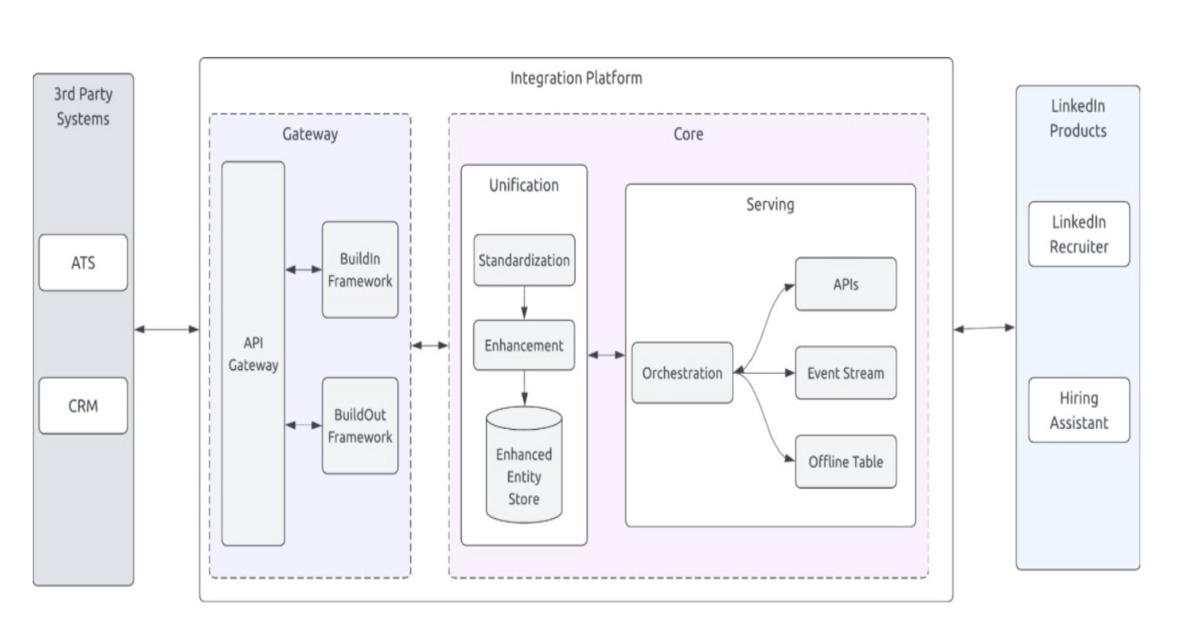
📖 Source: LinkedIn Consolidates Hiring Data Pipelines to Power AI Driven Talent Systems
Related Articles
Comments (0)
No comments yet. Be the first to comment!