
Grafana Helm Chart v4: Monitoring Made Predictable

Alps Wang
May 6, 2026 · 1 views
Refining Kubernetes Observability
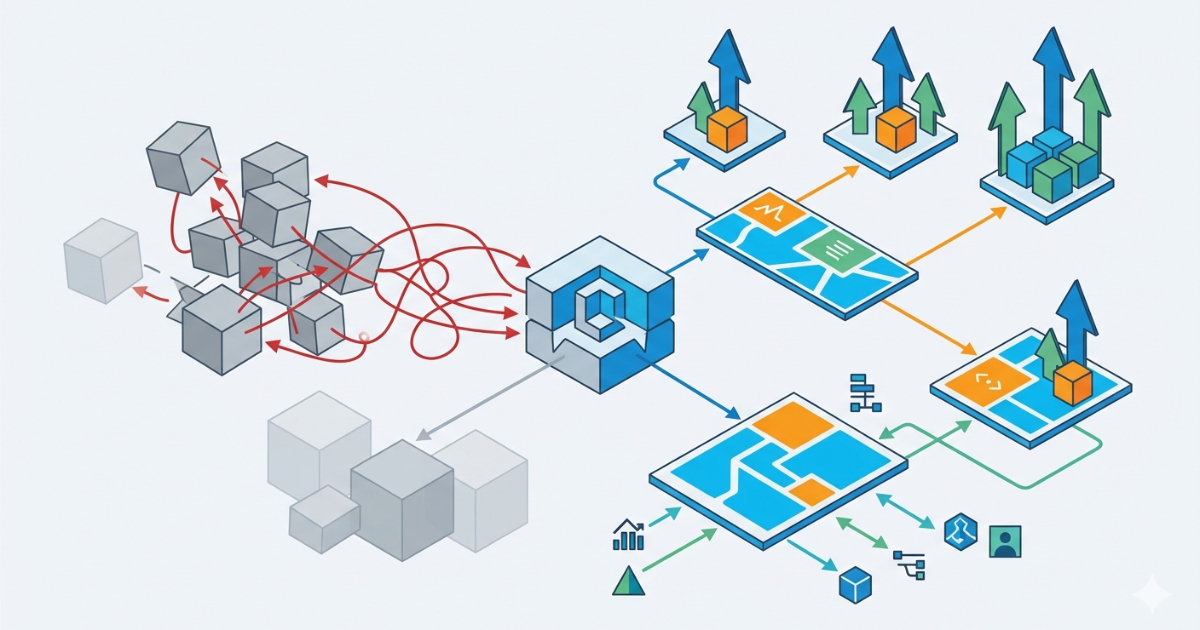
Grafana's v4 Helm chart update is a substantial leap forward, particularly in its architectural refactoring. The shift from list-based to map-based destinations and collectors fundamentally addresses the brittleness that plagued large-scale deployments and GitOps workflows. By introducing stable naming and explicit feature-to-collector assignments, Grafana Labs has significantly enhanced predictability and reduced the potential for silent misconfigurations. The separation of backing services also elegantly solves the problem of unintended duplicate deployments, a common pain point for established clusters. This release demonstrates a deep understanding of the operational challenges faced by users as their Kubernetes environments mature.
However, while the migration tool is a welcome addition, the transition to v4 might still require careful planning and testing for complex existing configurations. The explicit nature of feature assignments, while beneficial for clarity, means users must now actively define what was previously implicitly handled. For teams deeply entrenched in v3, understanding the new configuration paradigms and ensuring all necessary telemetry is correctly routed could present a learning curve. Furthermore, while the article highlights improvements in memory usage for the pod log pipeline, the overall resource footprint of the monitoring stack, especially in highly distributed or resource-constrained environments, remains an ongoing consideration for any comprehensive observability solution.
Key Points
- Version 4 of Grafana's Kubernetes Monitoring Helm chart introduces significant structural changes for improved predictability and maintainability.
- Key improvements include converting destinations and collectors from lists to maps for stable naming and reliable GitOps workflows.
- Features are now explicitly assigned to named collectors, removing hidden routing logic from chart internals.
- Deployment of backing services is separated from feature consumption, preventing surprise duplicate deployments.
- Cluster metrics handling is reorganized into distinct features (clusterMetrics, hostMetrics, costMetrics) for better configuration granularity.
- Pod log label handling is optimized to reduce memory usage by requiring explicit declaration of desired labels rather than bulk application and filtering.
- A migration tool is provided to assist users in transitioning from version 3 to version 4.
📖 Source: Grafana's Kubernetes Monitoring Helm Chart v4 Brings Multiple Fixes
Related Articles
Comments (0)
No comments yet. Be the first to comment!