
Codex Evolves: AI for Every Professional

Alps Wang
Jun 3, 2026 · 1 views
Codex's Broadening Horizons
OpenAI's announcement of Codex for every role, tool, and workflow marks a substantial leap in democratizing AI-powered productivity. The introduction of role-specific plugins, such as those for data analytics, creative production, and sales, is particularly noteworthy. These plugins bundle relevant applications, skills, and workflows, effectively transforming Codex into a contextualized assistant for non-developers. This move directly addresses the growing trend of AI adoption outside traditional software engineering, aiming to unlock productivity gains across diverse professional domains. The 'Sites' feature, allowing users to create and share interactive websites and apps directly from Codex, is another significant innovation, bridging the gap between conceptualization and tangible output within collaborative environments. This feature has the potential to streamline internal tooling, project management, and knowledge sharing, moving beyond static documents to dynamic, shareable workspaces. The extension of 'annotations' to non-code content further enhances the iterative refinement process, making AI assistance more granular and user-friendly.
However, several concerns warrant attention. The reliance on third-party integrations for plugins raises questions about data privacy, security, and the potential for vendor lock-in. While OpenAI mentions partner ecosystems, the long-term management and standardization of these integrations will be crucial. The 'Sites' feature, while powerful, is in preview for business and enterprise customers, suggesting a phased rollout and potential limitations for individual users. Furthermore, the effectiveness and accuracy of Codex's output will heavily depend on the quality and comprehensiveness of the data it accesses through these plugins and the underlying training data. The increasing complexity of Codex with numerous plugins and features could also lead to a steeper learning curve for some users, despite the stated goal of ease of use. The article hints at an open ecosystem for plugins, which is promising, but the practicalities of developing, vetting, and maintaining these plugins will be a significant undertaking.
Key Points
- Codex is expanding beyond software development to serve a wider range of professional roles, with non-developers now representing 20% of users and growing rapidly.
- New role-specific plugins adapt Codex to specific workflows and tools (e.g., Data Analytics, Creative Production, Sales), integrating 62 popular apps and 110 skills.
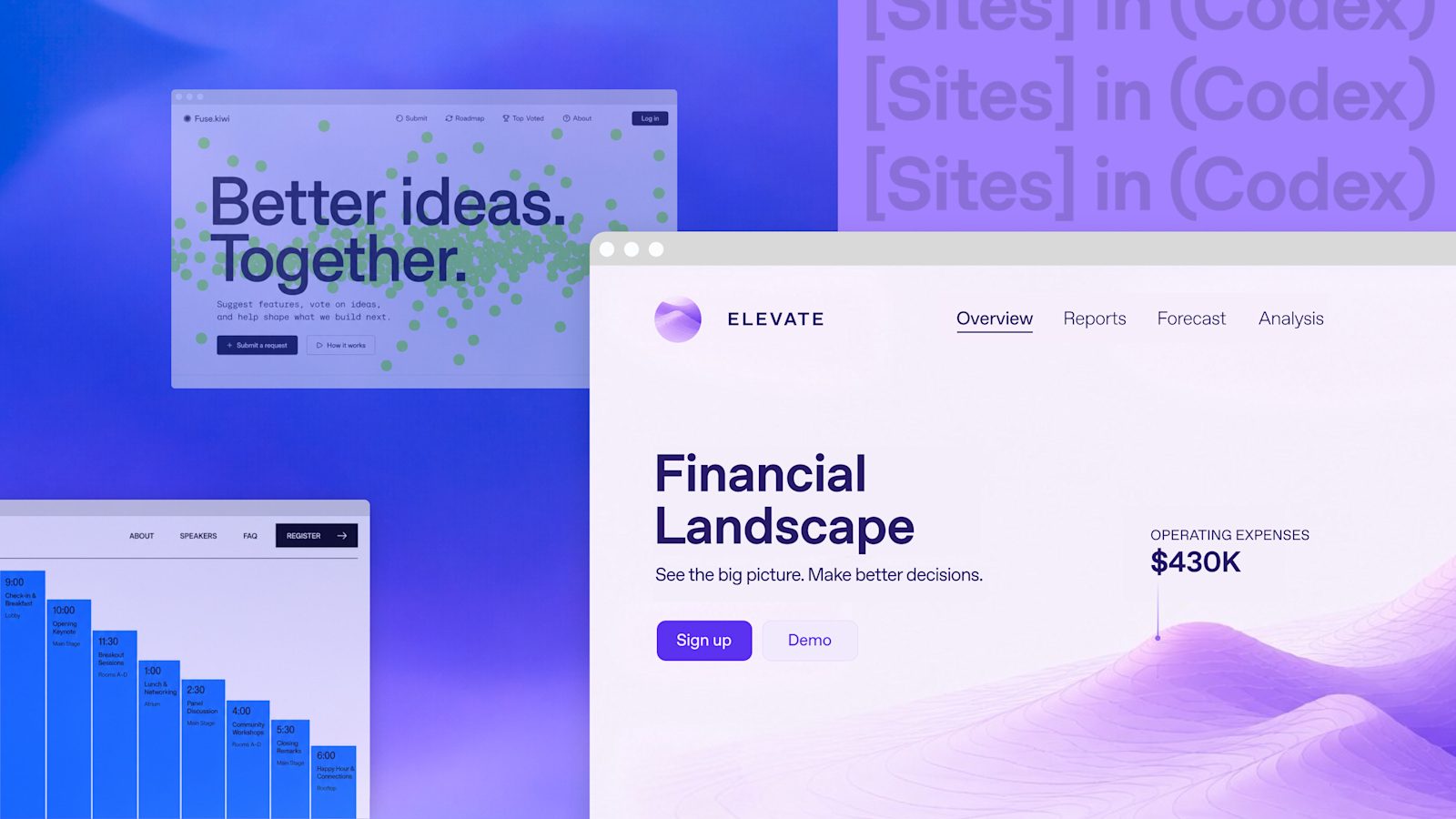
- A preview feature called 'Sites' allows users to create and share interactive, hosted websites and applications directly from Codex, facilitating collaboration and dynamic workspaces.
- Annotations are extended to non-code content (documents, spreadsheets, slides) for precise in-place refinement of AI-generated output.
- The announcement signals a move towards an open ecosystem for plugins, with partners like Vercel, Wix, and Figma involved in building a 'Sites' partner ecosystem.
📖 Source: Codex for every role, tool, and workflow
Related Articles
Comments (0)
No comments yet. Be the first to comment!