
AI Art Museum: Google Cloud Powers Immersive Experiences

Alps Wang
Jun 19, 2026 · 1 views
Data as Pigment: The AI Art Revolution
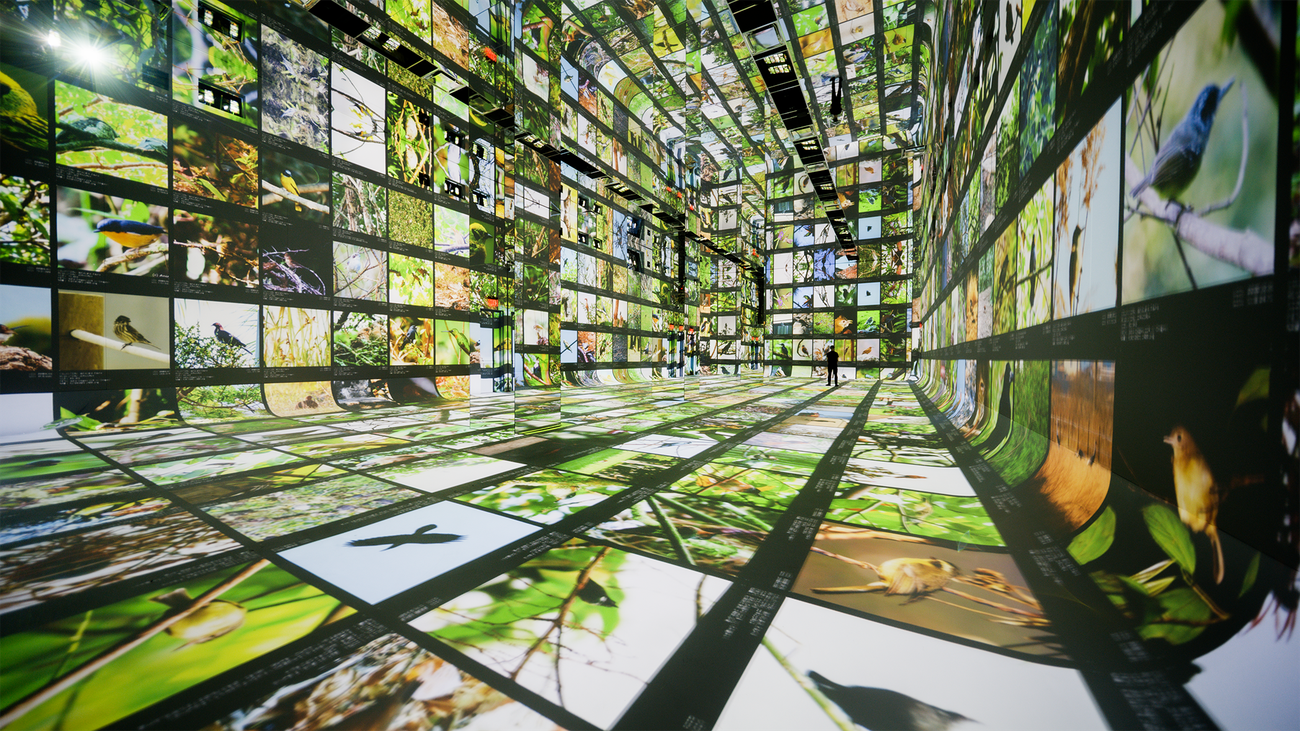
The Google Gemini Blog post announcing Dataland, the world's first AI arts museum, highlights a compelling intersection of cutting-edge AI, cloud infrastructure, and artistic expression. The key insight is the transformative potential of AI, particularly generative models like GANs and diffusion models, when coupled with vast datasets and powerful cloud computing, to create dynamic, responsive, and multisensory art installations. Google Cloud's role is central, providing the scalable and efficient infrastructure necessary to process immense amounts of environmental data in real-time, orchestrating complex AI models to generate immersive visual and auditory experiences, and even augmenting scents. This isn't just about displaying static art; it's about creating living, breathing digital ecosystems that interact with visitors. The emphasis on sustainable computing, utilizing 87% carbon-free renewable compute, is also a crucial forward-looking aspect, demonstrating a commitment to responsible AI deployment.
What's particularly innovative is the concept of 'data as pigment' and the museum as an 'omni-sensory ecosystem.' Dataland moves beyond traditional digital art displays by incorporating real-time emotional sensing and algorithmic scent generation, creating a deeply personalized and engaging experience. The partnership with Refik Anadol, a pioneer in AI art, lends significant credibility and artistic vision to the project. Furthermore, the establishment of the Dataland AI Artist Residency, supported by Google Arts & Culture, is a vital initiative for nurturing the next generation of creators. By providing grants, mentorship, and access to advanced tools, Google is democratizing access to powerful AI technologies, fostering innovation, and ensuring a diverse range of voices contribute to the future of AI art. This aspect is crucial for the long-term growth and evolution of the AI art field.
However, while the article paints an exciting picture, some limitations and concerns can be extrapolated. The reliance on proprietary Google Cloud infrastructure, while enabling scalability and performance, might raise questions about vendor lock-in for artists and institutions looking to replicate such experiences independently. The article also touches upon the 'experimental' nature of AI-generated summaries, which, while a standard disclaimer, hints at the ongoing evolution and potential unpredictability of AI outputs. The ethical implications of real-time emotional sensing and algorithmic scent generation, while presented as enhancements, could also warrant deeper public discussion regarding privacy and potential manipulation. From a technical standpoint, the article mentions specific AI models (GANs, diffusion models, Gemini) and Google Cloud services (Gemini Enterprise Agent Platform, Compute Engine), but a more in-depth technical case study, as hinted at, would be beneficial for developers and researchers interested in the architectural nuances of such a system. Existing solutions in immersive art often rely on pre-rendered content or less dynamic AI, making Dataland's real-time, data-driven approach a significant differentiator. The benefit extends to artists seeking new mediums, technologists exploring AI applications, and the general public eager to experience the future of art and technology.
Key Points
- Dataland, the world's first AI arts museum, leverages Google Cloud to transform environmental data into immersive, real-time sensory art experiences.
- The museum utilizes generative AI models (GANs, diffusion models, Gemini) and Google Cloud's infrastructure for dynamic visual, auditory, and olfactory outputs that respond to visitors.
- A key innovation is the 'data as pigment' concept and the creation of an 'omni-sensory ecosystem' that interacts with human presence and emotions.
- Google Cloud's role emphasizes scalable, efficient, and sustainable computing, powered by renewable energy.
- The Dataland AI Artist Residency program provides grants, mentorship, and tool access to nurture emerging AI artists, fostering the future of the field.
Related Articles
Comments (0)
No comments yet. Be the first to comment!